

A website redesign can completely change how a Scottish business performs online. The best redesigns are not only about making a website look better. They improve user experience, local search visibility, conversion rates, mobile performance, page speed, and the overall customer journey.
For businesses in Falkirk and across Scotland, a website should work as more than a digital brochure. It should help people find your business, understand your services, trust your brand, and take action. Whether that action is booking a table, buying a ticket, submitting an enquiry, making a purchase, or planning a visit, the website should make the next step easy.
Website redesign case studies are useful because they show what happens when design, content, SEO, user experience, and analytics work together. Instead of guessing what may improve performance, case studies show practical changes and measurable results.
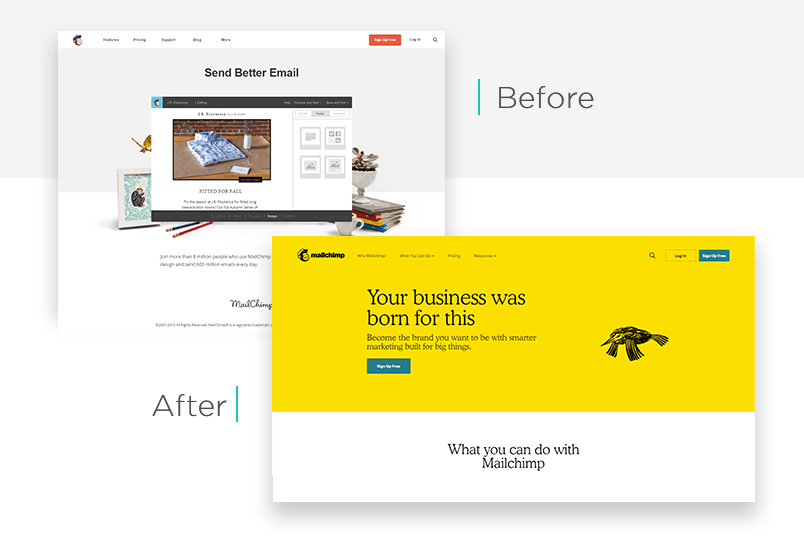
A strong website redesign solves problems that often remain hidden until they start affecting enquiries, bookings, sales, or search rankings.
Common website issues include:
- Outdated design
- Poor mobile experience
- Slow page loading
- Weak local SEO
- Confusing navigation
- Low user engagement
- Unclear calls-to-action
- Difficult content management
- Weak trust signals
- Poor conversion rates
For Scottish businesses, especially SMEs in Falkirk, Glasgow, Edinburgh, Aberdeen, Paisley, Dunfermline, and West Lothian, these issues can directly affect growth. Local customers often compare multiple providers before contacting one. If your website is slow, unclear, or outdated, you may lose customers before they ever speak to you.
A well-planned redesign helps your website become clearer, faster, easier to use, and more aligned with business goals.
Many businesses keep using old websites long after those websites have stopped supporting growth. A site may still load online, but that does not mean it is helping your business.
Here are the most common signs that a Scottish business may need a redesign.
One of the clearest signs is an old or frustrating design. If your website has cluttered pages, small text, confusing menus, or a layout that does not work properly on mobile, visitors may leave quickly.
Poor user experience often increases bounce rate because users do not want to work hard to find information.
A good website should be easy to browse, simple to understand, and clear in guiding visitors toward the next step.
Businesses evolve. Your services, audience, values, tone, and positioning may change over time. If your website still reflects an older version of your business, it can create confusion.
This can happen after a rebrand, business expansion, new service launch, or a shift in target audience.
Your website should represent where your business is now, not where it was several years ago.
Mobile experience is critical for Scottish businesses because many customers search locally from their phones.
If your website is hard to read, difficult to tap, slow to load, or awkward to navigate on mobile, you may be losing enquiries.
A modern redesign should prioritise responsive, mobile-first design across phones, tablets, laptops, and desktops.
Slow loading speed affects both user experience and SEO. Visitors expect websites to load quickly, and slow websites often lose traffic before users even see the content.
A redesign gives businesses the chance to improve image optimisation, hosting, caching, code quality, and Core Web Vitals.
For local SMEs, speed is especially important because users searching for nearby services are often ready to act quickly.
If updating your website is difficult, your content can quickly become outdated.
Businesses need to update services, images, offers, team details, events, blogs, and contact information. If every small update requires developer support, the website becomes a bottleneck.
A good redesign should make content easier to manage and keep fresh.
A website may receive traffic but still fail to generate enquiries, bookings, or sales. This usually means the user journey is not clear enough.
Common causes include:
- Weak calls-to-action
- Long forms
- Poor page structure
- No trust signals
- Unclear service information
- No local proof
- No visible contact options
A redesign can improve the journey from visitor to customer.
A website redesign should be judged by outcomes, not only appearance. The following case studies show how Scottish and Falkirk-related websites improved usability, engagement, visibility, or business outcomes through better digital strategy.
Website: Visit Falkirk official website.
Case study source: Crunchy Carrots Visit Falkirk case study.
Before the Redesign
Visit Falkirk needed a refreshed website that could better support tourism, visitor planning, accessibility, and content management. The project was not only about updating the look of the website. The aim was to create a customer-driven, mobile-friendly, engaging platform for people interested in the Falkirk area.
The previous website needed improvement in areas such as:
- Visitor journey
- Search functionality
- Accommodation and itinerary promotion
- Events visibility
- SEO and marketing structure
- Accessibility
- CMS usability
What Changed
The redesign focused on making the website more useful for visitors and easier for the team to manage.
Key improvements included:
- User-centric navigation
- A comprehensive search facility
- CMS upgrade or implementation
- Social media integration
- TripAdvisor ratings integration
- Travel trade and corporate sections
- Editor training for content, SEO, marketing, and analytics
- Ongoing support
- KPI-based performance tracking
The website was also structured to support SEO and marketing, with integrated analytics for performance measurement. Accessibility was also a key part of the project, with the website designed around WCAG 2.1 AA best practice.
Measurable Outcomes
The case study reports strong post-redesign results:
- +127% user growth
- +228% organic searches
- +124.4% sessions from organic search
- +147.6% mobile growth
- Mobile users reached 78.4% of all active users
- +130.1% user engagement
These results show how a tourism-focused website can improve visibility and engagement when UX, SEO, mobile design, content structure, and analytics are planned together.
What Falkirk Businesses Can Learn
The Visit Falkirk redesign proves that local websites need to be built around real user intent.
For small businesses in Falkirk, this means your website should answer practical customer questions quickly:
- What do you offer?
- Where are you based?
- What areas do you serve?
- How can people contact or book?
- Why should people trust you?
- What should they do next?
A strong local website should not make users search for basic information. It should guide them clearly.
Website/case study source: Brewhemia case study by Crunchy Carrots.
Before the Redesign
Brewhemia, a unique hospitality venue in Edinburgh, needed a website that reflected its mix of beer, food, live entertainment, bookings, and online sales. The website needed to support multiple business goals at once: reservations, e-commerce, promotions, brand positioning, and customer engagement.
The key objectives included improving e-commerce functionality, simplifying the booking journey, expanding the online shop, repositioning the brand for a broader audience, and creating promotional areas to drive footfall during quieter periods.
What Changed
The redesign introduced several important improvements:
- WooCommerce integration
- Easier online store management
- Third-party booking platform integration
- Expanded online shop with experience-based products
- Flexible hero section for promotions
- User-focused design
- Website training for the marketing team
- Ongoing support
- Performance monitoring through analytics
The website was designed not only to look more aligned with the venue, but also to support bookings, promotions, customer engagement, and independent content management.
Measurable Outcomes
The case study reports strong post-launch performance:
- +17.1% increase in new users
- +19.5% increase in user sessions
- 13.8% reduction in bounce rate
- +127.3% overall user growth
- 204K active users
- +124.4% organic search performance
- 75% mobile users
- +130.1% user engagement
These results show how hospitality websites can benefit when booking, e-commerce, promotions, mobile design, and content management are improved together. (Crunchy Carrots)
What Falkirk Businesses Can Learn
Even though Brewhemia is based in Edinburgh, the lessons apply strongly to Falkirk restaurants, cafés, venues, event businesses, tourism companies, and hospitality brands.
A hospitality website should not only show menus or photos. It should help users:
- Book quickly
- Understand offers
- Browse events
- Buy products or vouchers
- Trust the venue
- Use the site easily on mobile
If most users are visiting from mobile, the website should be built around mobile behaviour from the start.
| Case Study | Main Challenge Before | Key Redesign Focus | Published Outcome |
|---|---|---|---|
| Visit Falkirk | Needed a refreshed, customer-driven tourism platform | UX, SEO, accessibility, search, CMS, analytics | +127% user growth, +228% organic searches, +147.6% mobile growth |
| Brewhemia | Needed better booking, e-commerce, brand positioning, and engagement | WooCommerce, booking integration, promotions, mobile UX, analytics | +127.3% overall user growth, +124.4% organic search performance, 13.8% bounce-rate reduction |
Successful website redesigns usually follow a clear process. They do not begin with random design changes. They begin with research, strategy, and measurable goals.
For Scottish businesses, especially SMEs in Falkirk, the redesign process should focus on the local market, the customer journey, and the business outcome.
The first phase is about understanding the business, the current website problems, and the goals of the redesign.
Website Audit
A website audit reviews the current site’s performance, structure, content, user experience, SEO issues, and conversion problems.
This helps identify what is costing the business leads, traffic, bookings, or sales.
Competitor Review
Competitor research looks beyond visual design. It helps identify what other Scottish businesses are doing well, where the gaps are, and how your website can stand out.
For a Falkirk business, this may include reviewing competitors in Falkirk, Stirling, Grangemouth, Cumbernauld, Edinburgh, Glasgow, and Central Scotland.
Goal and KPI Planning
A redesign should have clear targets. These may include:
- More enquiries
- More online bookings
- Better organic traffic
- Higher mobile conversions
- Lower bounce rate
- Faster page speed
- More product sales
- Better user engagement
Without KPIs, it becomes difficult to know whether the redesign has worked.
User Personas
User personas help define who the website is for. A website for tourists, football fans, restaurant customers, trades customers, or B2B buyers will need a different structure.
A website designed around real user behaviour usually performs better than one designed around internal assumptions.
Information Architecture
Information architecture decides how pages, categories, menus, and content are organised.
Good structure makes the website easier to navigate and helps search engines understand the site.
Once the strategy is clear, the design phase turns the plan into a visual and interactive website.
Wireframing
Wireframes show the structure of each important page before full design begins. This helps plan content order, user flow, CTA placement, and page layout.
Prototyping
A prototype allows the business to review and test the website experience before full development.
This helps reduce costly changes later.
UI Design
User interface design includes colours, typography, buttons, spacing, imagery, and visual styling.
Good UI design should support the brand and guide users toward action.
Mobile-First Design
A redesign should prioritise mobile users from the beginning. In the Visit Falkirk case, mobile users represented 78.4% of active users after the redesign, showing how important mobile behaviour is for local and tourism websites.
Accessibility
Accessibility should be planned early. A website should be usable for people with different needs, devices, and browsing behaviours.
This includes readable text, strong contrast, keyboard support, image alt text, and properly labelled forms.
The development phase turns the design into a working website. This is where technical quality becomes important.
Choosing the Right CMS
A CMS should match the business needs. WordPress may work well for many SME websites, while e-commerce or custom platforms may require different solutions.
The CMS should make updates easier and support future growth.
Clean Development
Clean code makes a website easier to maintain, faster to load, and simpler to scale.
Poor development can lead to slow pages, plugin conflicts, security issues, and future rebuild costs.
301 Redirect Planning
If URLs change during a redesign, redirects are important. They help users and search engines move from old pages to new ones without losing SEO value.
On-Page SEO
SEO should be included during the redesign, not added later.
This includes:
- Page titles
- Meta descriptions
- Headings
- Internal links
- Image alt text
- Local keywords
- Schema markup
- Clean URLs
- Fast-loading pages
For Scotland businesses, location pages can also help support local visibility.
Performance Optimisation
Performance optimisation includes image compression, caching, code cleanup, script reduction, and better hosting.
Fast websites improve both user experience and SEO.
Launching the redesigned website is not the end. It is the start of performance tracking and ongoing improvement.
Usability Testing
Before launch, the website should be tested for navigation, mobile layout, forms, buttons, page speed, and content clarity.
A/B Testing
After launch, A/B testing can compare different headlines, buttons, offers, or layouts to see which performs better.
Performance Monitoring
Businesses should monitor:
- Page speed
- Organic traffic
- User engagement
- Conversion rate
- Form submissions
- Phone clicks
- Bookings
- Sales
- Bounce rate
Analytics Review
Analytics helps show what is working and what needs improvement. A good website should continue evolving after launch.
The Scotland examples above show that successful redesigns are not random. They are built around business goals, users, local visibility, content, and measurable results.
1. A Website Must Serve a Clear Purpose
Visit Falkirk needed to support tourism planning. Falkirk FC needed better digital presence and outreach. Brewhemia needed bookings, e-commerce, and stronger engagement.
Every business website should have a clear purpose.
2. Mobile Experience Is Critical
Mobile users are often the majority. A website that does not work well on mobile will lose opportunities.
3. SEO Should Be Built In Early
Visit Falkirk’s organic search growth shows why SEO should be part of the redesign from the beginning.
4. Content Management Matters
If a team cannot update the website easily, content becomes outdated. CMS training and support can make the website more useful long term.
5. Results Should Be Measured
A redesign should be tracked using analytics. Without measurement, it is difficult to prove ROI.
At Qaushik, we build websites with business growth in mind. Our website development approach is connected with SEO, PPC, conversion tracking, content structure, analytics, and long-term digital strategy.
We support businesses across Scotland with:
- Website development
- SEO
- Pay-Per-Click advertising
- Software development
- Mobile app development
- Local SEO planning
- Conversion-focused website structure
- Analytics and tracking setup
For businesses looking for web development services in Scotland, the goal should not be only to launch a good-looking website. The goal should be to create a website that is easy to find, easy to use, and built to convert.
We also support location-focused businesses looking for web development in Falkirk, Glasgow, Edinburgh, Aberdeen, Dunfermline, Paisley, West Lothian, Broxden, and Blairgowrie.
Before redesigning your website, ask these questions:
- Does your homepage clearly explain what you do?
- Does your website load quickly on mobile?
- Can visitors contact you easily?
- Are your services clearly separated into pages?
- Does your website mention your local service areas?
- Do you have reviews, testimonials, or case studies?
- Are your calls-to-action visible?
- Is your Google Map or location information easy to find?
- Can you update your website easily?
- Is your website tracking enquiries?
- Does your website support SEO?
- Does the website reflect your current brand?
If the answer is no to several of these questions, your website may be holding your business back.
The biggest lesson for Falkirk and Scotland businesses is that a website redesign should improve both user experience and local search performance. A redesigned website should make it easier for people in Falkirk, Central Scotland, and nearby service areas to find the right page, trust the business, and take action.
For a Falkirk business, this means redesign planning should include local service pages, clear location signals, Google Business Profile support, customer reviews, fast mobile pages, enquiry tracking, and content that answers practical local questions.
The Visit Falkirk and Brewhemia examples show that results improve when content structure, mobile usability, SEO, analytics, and conversion paths are planned together. The same approach can help smaller Scottish SMEs compete more effectively online.
A successful Falkirk Scotland website redesign should not only look refreshed. It should help generate more calls, enquiries, bookings, visits, and measurable local growth.
Successful Scotland website case studies show that a redesign can deliver serious business value when it is planned properly.
Visit Falkirk shows how strong UX, SEO, accessibility, mobile design, and analytics can improve traffic and engagement. Falkirk Football Club shows how a stronger digital presence can support outreach, commercial visibility, and community engagement. Brewhemia shows how hospitality websites can improve user growth, organic search performance, bookings, and engagement when e-commerce, content, and user journey are improved.
The best website redesigns do not come from visual changes alone. They come from solving real business problems.
For Scottish businesses, especially SMEs in Falkirk and Central Scotland, a website should be clear, fast, mobile-friendly, search-ready, and designed to convert.
The real question is not only whether your website looks outdated. The real question is whether your website is helping your business grow.
Ready to Transform Your Digital Presence?
Let Qaushik Labs help you implement growth-focused solutions for your business. From websites and SEO to ads and automation, we’re here to help you generate better leads and revenue.
Get Started TodayWebsite redesign case studies help Scottish businesses understand what actually improves website performance. They show how better design, mobile usability, SEO, content structure, and calls-to-action can increase traffic, enquiries, bookings, and customer engagement.
The Visit Falkirk redesign shows that a local website should be built around user intent. Clear navigation, mobile-first design, strong search functionality, accessibility, SEO, and analytics can help improve user growth, organic search performance, mobile traffic, and engagement.
A redesign can help by making the website faster, easier to use, more trustworthy, and more conversion-focused. Clear service pages, local SEO, visible contact buttons, Google Maps integration, reviews, and short enquiry forms can all encourage more customers to take action.
Common signs include outdated design, slow loading speed, poor mobile experience, low enquiries, weak Google rankings, confusing navigation, outdated branding, difficult content updates, and unclear calls-to-action.
Yes. SEO should be included from the beginning of the redesign. This includes page structure, headings, metadata, image optimisation, internal links, redirects, local keywords, schema markup, and fast-loading pages.
Businesses should measure organic traffic, form submissions, phone clicks, online bookings, sales, bounce rate, mobile performance, page speed, keyword rankings, user engagement, and conversion rate.
Mobile-first design improves the experience for users browsing on phones. Since many local customers search from mobile devices, a mobile-friendly website can increase enquiries, reduce bounce rate, and make it easier for users to call, book, or submit a form.
Real case studies show whether a web design company can deliver practical business improvements, not just attractive layouts. They help you assess the company’s ability to improve SEO, usability, engagement, conversions, and measurable outcomes.
Yes. A redesigned website can improve PPC performance by creating faster, clearer, and more relevant landing pages. Better page experience, stronger calls-to-action, and improved trust signals can help increase conversion rates from paid traffic.
The biggest lesson is that a website should be planned around business goals. Good design matters, but the strongest results come from combining design with SEO, mobile performance, clear content, trust signals, analytics, and conversion-focused user journeys.