

SEO Portfolio: Scottish Beauty Expert
WordPress + WooCommerce SEO + Catalog Growth
Scottish Beauty Expert SEO + WooCommerce Expansion
A stability-first SEO engagement for a fast-growing course + product ecosystem—built to improve crawl clarity, reduce duplication, strengthen category architecture, and launch new revenue pages without breaking WordPress.
Client Snapshot
Scottish Beauty Expert Training Academy is a WordPress + WooCommerce platform offering professional beauty and clinical training across a deep course ecosystem: Clinical Skincare, Laser, SPMU, Lash & Brow, Nails, Hair Removal, Makeup, and Online Courses. The goal wasn’t just “rank higher”—it was to build an SEO system that stays safe, scalable, and revenue-focused as the catalog expands.
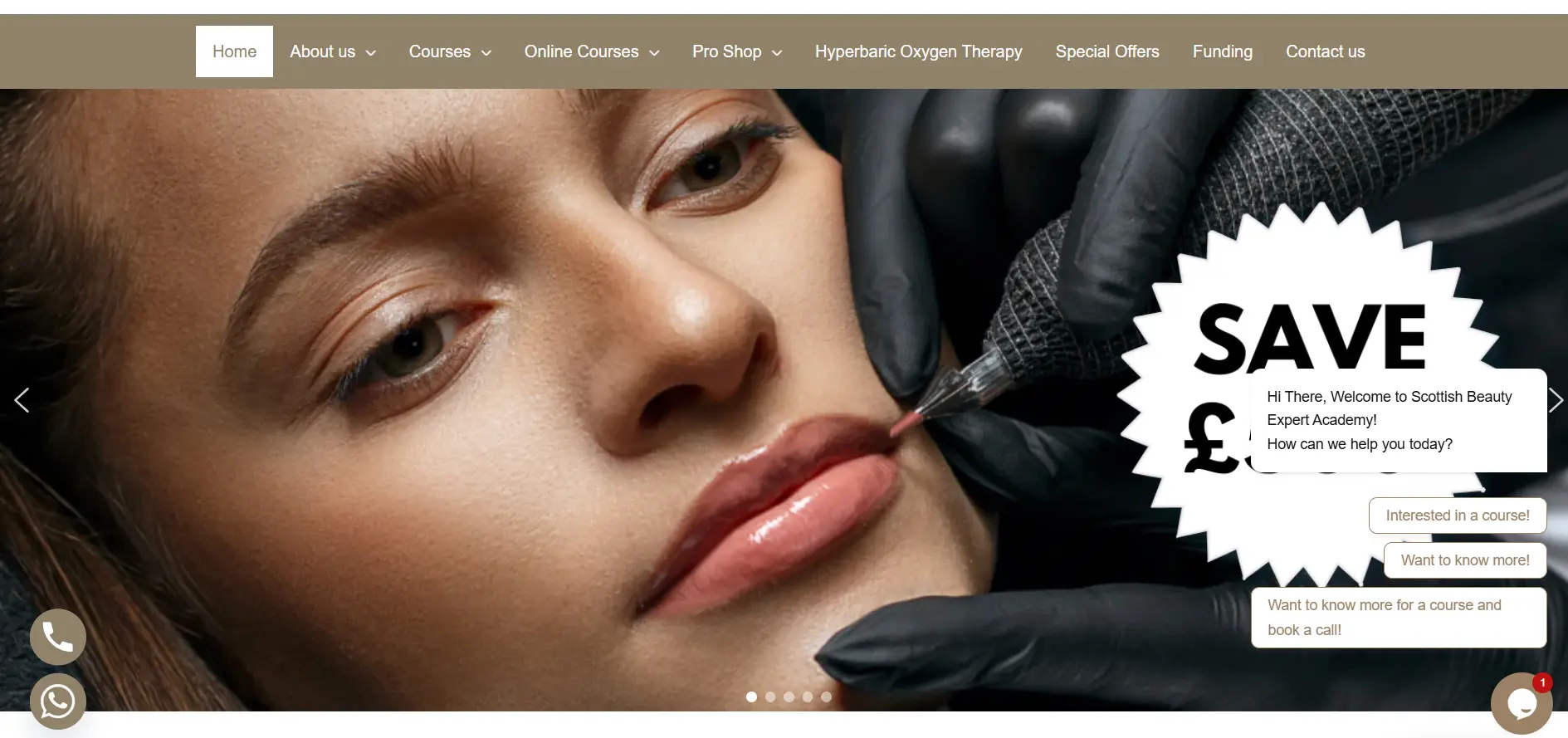
Website: Scottish Beauty Expert Training
On WordPress + WooCommerce, a small indexing/canonical/permalink change—or a plugin conflict—can impact hundreds of URLs in minutes. So the first “SEO win” was stability.
Sitewide Risk from Small Changes
Indexing, canonical, permalinks, archives, and theme settings can apply across the entire catalog—fast.
WooCommerce Duplication & Crawl Waste
Archives, pagination, tags, variations, and repeated templates can create near-duplicates and distract Google from money pages.
Thin Category Pages
Many category pages become “just a grid”. Without content + internal links, they struggle to rank and guide users.
Performance Drag (Plugins + Media)
WooCommerce sites can get heavy quickly—images, scripts, and plugin stack can slow mobile UX and reduce conversions.
ALT Text Missing at Scale
When hundreds of images have no ALT text, you lose semantic relevance and accessibility—especially for course/product pages.
Growth Without Chaos
New products/courses must land in the right categories with clean internal links—otherwise growth creates duplication and confusion.
Safety-First Workflow (How We Avoided Breaking WooCommerce)
- Batch-based changes: small improvements shipped in controlled steps—not everything at once.
- Backups before major updates: easy rollback if a plugin/theme update misbehaves.
- After each batch: crawl + spot-check key money paths (courses, categories, product pages, checkout flow).
- Stability-first mindset: no risky edits without validation and clear impact review.
Why this mattered: On WooCommerce, sustainable SEO depends on stability. If the site breaks or indexing gets messy, rankings and revenue get hit at the same time.
What this engagement was designed to deliver (SEO + growth assets + usability)
What We Were Hired To Achieve
- Improve organic visibility for course-driven searches (clinical skincare, laser, SPMU, lash & brow, online training).
- Reduce duplication + crawl waste so Google focuses on category hubs and high-value course/product pages.
- Improve speed + usability (especially mobile) by reducing heavy assets and stabilizing layouts.
- Expand the catalog safely by creating new products + launching new courses with correct structure and placement.
- Support Pro Shop flows without creating SEO confusion or duplicate pathways.
Technical SEO, WooCommerce structure, catalog growth, Pro Shop support, and accessibility-led ALT text rollout
1) Technical SEO Audit (Crawl → Fix → Verify)
We treated the website like a search engine: crawl, diagnose, fix, and verify—so improvements are measurable and safe.
Key issues we targeted
- Duplicate meta descriptions caused by templates
- Near-duplicate category/listing pages (archives + pagination)
- Redirect chains, broken internal links, and messy crawl paths
- Weak internal linking between category → course/product → related categories
- Thin category pages with no “landing page” content layer
Result: Cleaner crawl signals and clearer “page purpose” so Google can rank the right pages for the right intent.
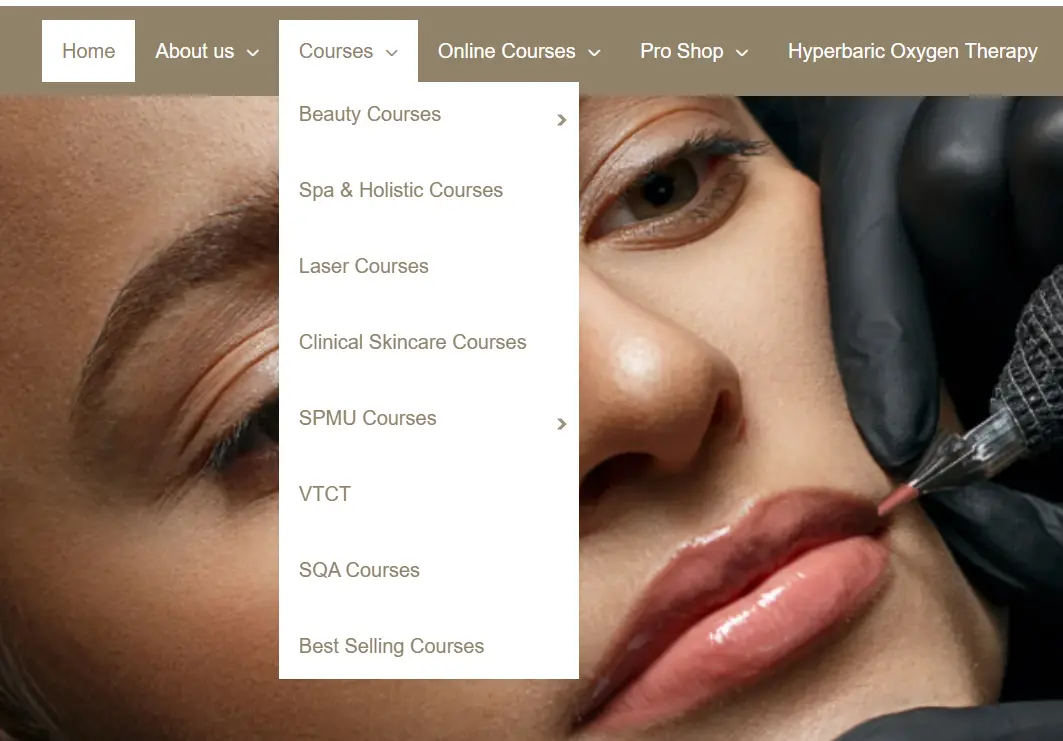
2) WooCommerce SEO (Categories + Course/Product Pages Done Right)
WooCommerce SEO wins come from architecture. We upgraded categories to behave like landing pages and improved course/product pages for clarity and intent alignment.
Category pages: built as mini landing pages
- Clear intro (what the category is, who it’s for)
- Trust layer (academy tone, certification confidence)
- Internal links to sub-categories + top courses
- Reduced “thin grid” risk and improved ranking potential
Course/Product pages: transaction intent + clarity
- Titles/headings aligned with real search intent
- Stronger sections: who it’s for, what you learn, what you receive, duration, outcomes
- Cleaner internal links: category → course, course → related courses
- Structured imagery and ALT text plan for relevance + accessibility
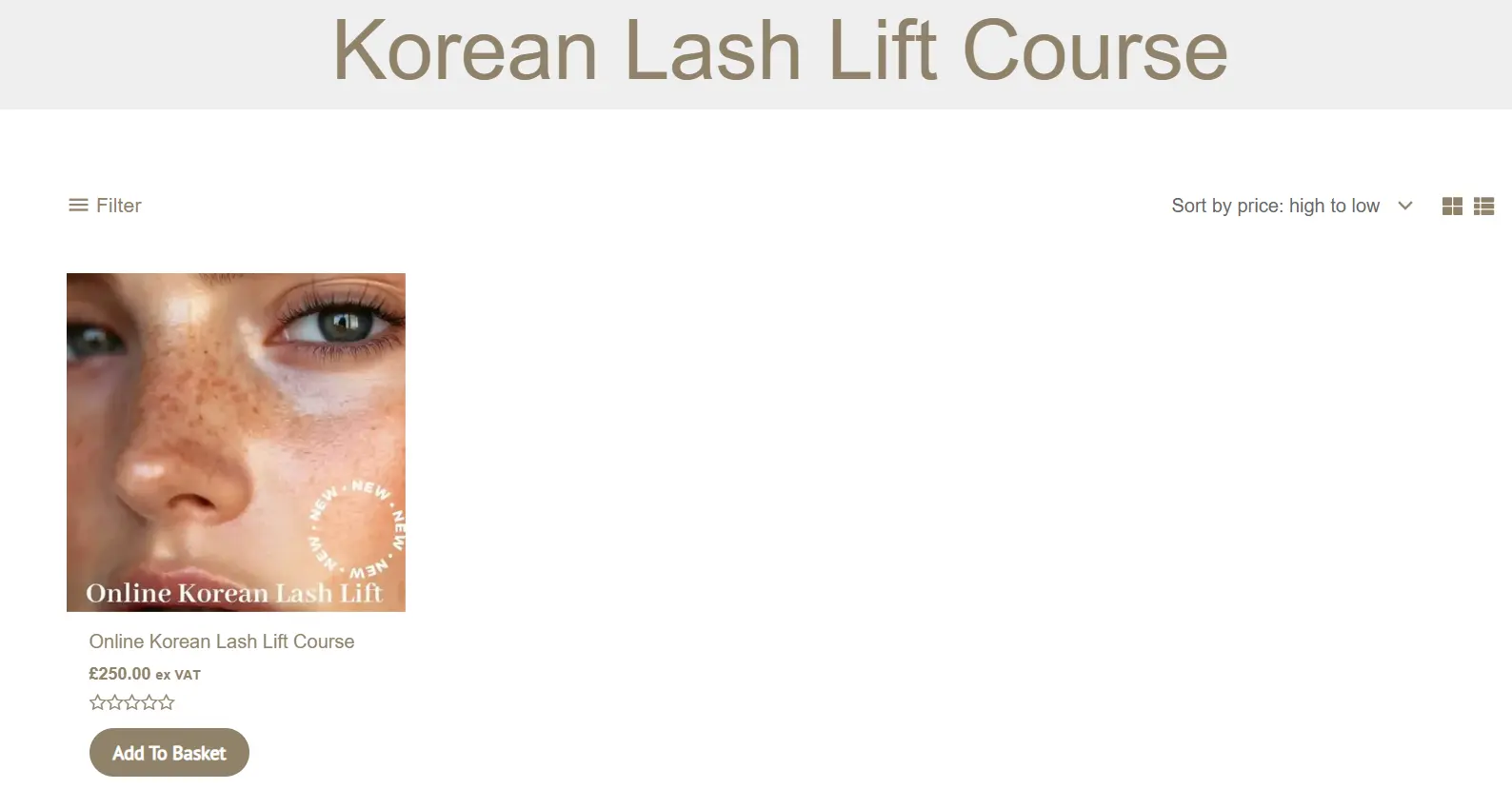
3) Catalog Growth: New Products + New Courses
This engagement wasn’t “SEO only”. We actively created new products and launched new courses—each placed correctly so every new asset strengthens the site’s structure.
| Growth Task | How It Supported SEO |
|---|---|
| New product creation | Correct naming + category placement + consistent content blocks so products are discoverable and don’t create duplication. |
| New course launches | Unique copy + proper metadata + internal links so each course becomes an indexable revenue page for long-tail intent. |
| Structure-first placement | Each new item strengthens a category hub, improving topical authority and crawl clarity. |
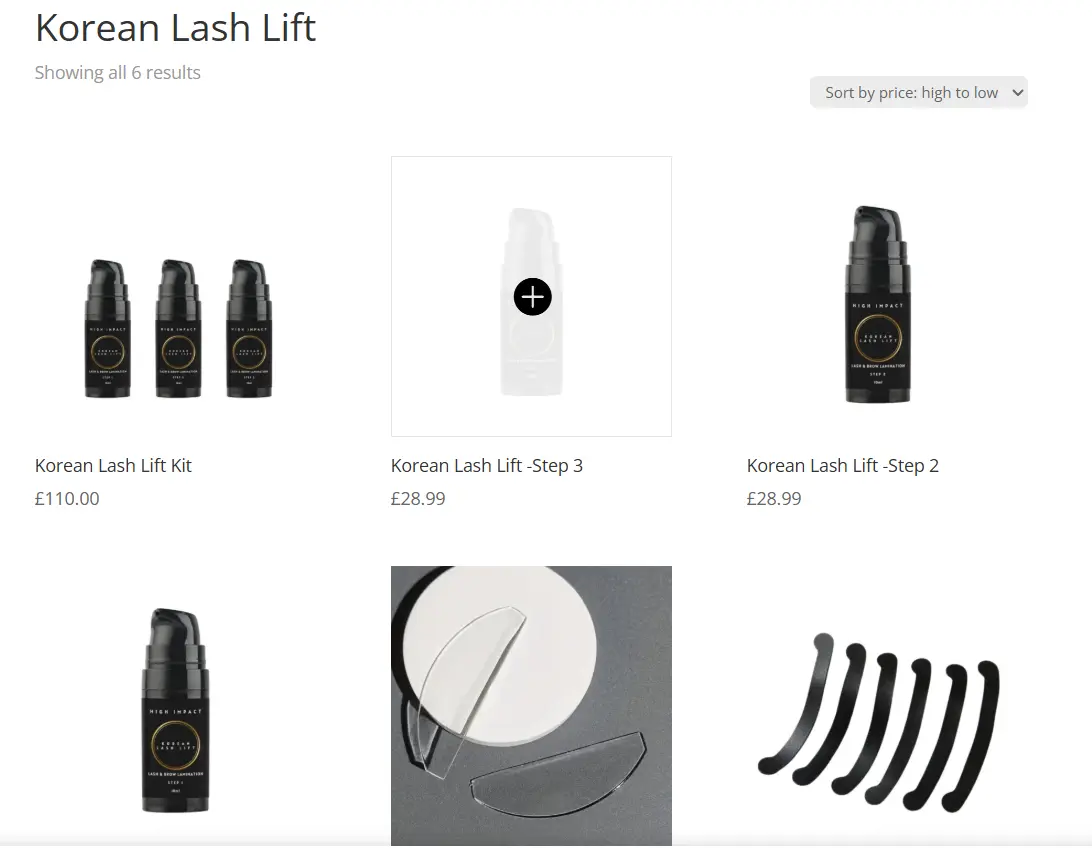
4) Pro Shops Work (Professional Shop Flow + SEO Clarity)
We supported the Pro Shop structure and navigation so professional buyers can find products quickly—without creating confusing duplicate pathways for SEO.
- Improved category flow and product discoverability for professionals
- Reduced crawl confusion between main shop and pro shop routes
- Ensured structure stays scalable as pro inventory expands
5) Performance Improvements (PageSpeed + Stability)
WooCommerce sites can become heavy fast. We focused on safe performance improvements that reduce bounce and improve usability—especially on mobile.
- Reduced heavy image impact (especially above-the-fold)
- Improved layout stability (less shifting while loading)
- Cleaned script loading logic where possible to reduce mobile lag
- Validated changes to avoid checkout/course purchase disruption
Performance SEO principle: Faster pages + stable UI = better engagement, fewer bounces, and cleaner SEO signals over time.
6) Sitewide ALT Text: The “Hidden SEO Lever” We Treated as a System
One of the biggest SEO gaps was simple but massive: many images across products, courses, categories, sliders, and blog/media uploads had no ALT text. On a large WooCommerce catalog, missing ALT text means lost relevance signals and weaker accessibility.
Why it’s risky on WordPress: Images are reused across pages. Bulk edits can overwrite media titles/captions or impact theme-builder modules if done blindly. So we avoided “blind automation” and built a safe rollout plan.
ALT Text Framework (you can apply without keyword stuffing)
- Format: [Course / Product Name] + [Type] + [Location or Online] + [Brand]
- Examples (format only): “Laser hair removal training course Glasgow – Scottish Beauty Expert”
- Priority order: top-selling pages → category banners → homepage hero/slider → blog images
- Rule: Keep it accurate, descriptive, and consistent (no spammy repetition).
ALT text checklist: homepage hero/slider • category banners • product thumbnails + galleries • course content images • training/instructor images • blog images • badges/accreditations.
Portfolio-ready results you can keep truthful and add metrics later
Outcomes We Targeted and Delivered
- Stability-first SEO execution so changes don’t break WooCommerce sitewide behavior
- Cleaner crawl structure and reduced duplication risk (templates, archives, category pathways)
- Upgraded category pages into SEO landing pages with internal linking support
- New products + new courses launched as indexable revenue assets (proper placement + structure)
- Pro shop structure supported with clarity and reduced SEO confusion
- Performance improvements focused on usability, stability, and mobile experience
- ALT text framework + rollout plan designed to be safe, consistent, and scalable
Website: Scottish Beauty Expert Training
SEO Services :
Build long-term organic visibility with our SEO Services in Glasgow focused on technical excellence, high-intent keyword strategy, and authority-building content. For brands targeting competitive global markets, explore SEO Services in Edinburgh engineered to improve rankings, strengthen domain authority, and drive scalable growth. If your goal is regional dominance, choose SEO Services in Aberdeen to increase local search visibility and convert organic traffic into qualified business enquiries.
SEO + WooCommerce growth questions clients commonly ask
Because WordPress and WooCommerce settings can apply site-wide. A single indexing/canonical/permalink or archive setting change can impact hundreds of URLs quickly. That’s why we used a batch-based, stability-first workflow with backups and validation after every change.
Crawl clarity and structure—improving category purpose, reducing duplication risk, strengthening internal linking, and ensuring Google is guided toward the pages that matter most (category hubs and course/product pages).
Both. Along with technical and on-page improvements, we created new products and launched new courses. Every new asset was placed intentionally so it strengthens category SEO and becomes a clean indexable revenue page.
Each new product/course creates a new indexable page that can rank for long-tail searches. When placed correctly, it also strengthens category hubs and internal linking—helping the whole site build topical authority.
Pro shops are professional buyer flows/sections. They needed clean navigation and structure so they’re easy to use, while also avoiding duplicate pathways that can confuse search engines and dilute crawl focus.
ALT text helps search engines understand images in context and supports accessibility for screen readers. When a large WooCommerce catalog has missing ALT text across product/course/category imagery, you lose relevance signals at scale. We handled it with a framework + priority rollout to avoid risky bulk edits.
Yes. We focused on safe performance improvements like reducing heavy image impact, improving layout stability, and optimizing script behavior where possible—without disrupting WooCommerce purchase paths.
Category hub pages (broad intent) and course/product pages (transaction intent), plus navigation/shop structure that improves crawl clarity and discovery. Pro shop flows also benefited from cleaner structure for professional buyers.