

For healthcare providers in Gurgaon—whether located in DLF Cyber City, Golf Course Road, or Sohna Road—digital visibility plays a critical role in building patient trust and credibility. Strengthening this visibility often requires strategic guidance from a trusted digital marketing agency in Gurgaon , especially when clinics want to present their expertise clearly and consistently online.
One of the most effective ways to achieve this is by sharing patient case studies on your clinic blog. These real-world stories highlight treatment outcomes, demonstrate clinical expertise, and help potential patients connect emotionally before booking an appointment Healthcare in gurgaon.
Investing in a strategic SEO approach ensures your business appears when potential customers actively search online. With dedicated SEO services in Gurgaon, you can strengthen local rankings, increase visibility, and generate consistent high-intent leads.
However, Indian privacy laws (like the DPDP Act, 2023) and the Medical Council of India's telemedicine guidelines mean clinics must tread carefully. Sharing identifiable patient details without consent can cause both reputational and legal risks. This blog walks you through how Gurgaon-based clinics can create effective, SEO-rich blog content using patient case studies while staying compliant.

Clinics that publish compliant patient stories often see stronger visibility in local results. This approach works best when aligned with a properly optimized Google Business Profile for Gurgaon doctors, ensuring anonymized case studies appear in both search and Maps discovery.
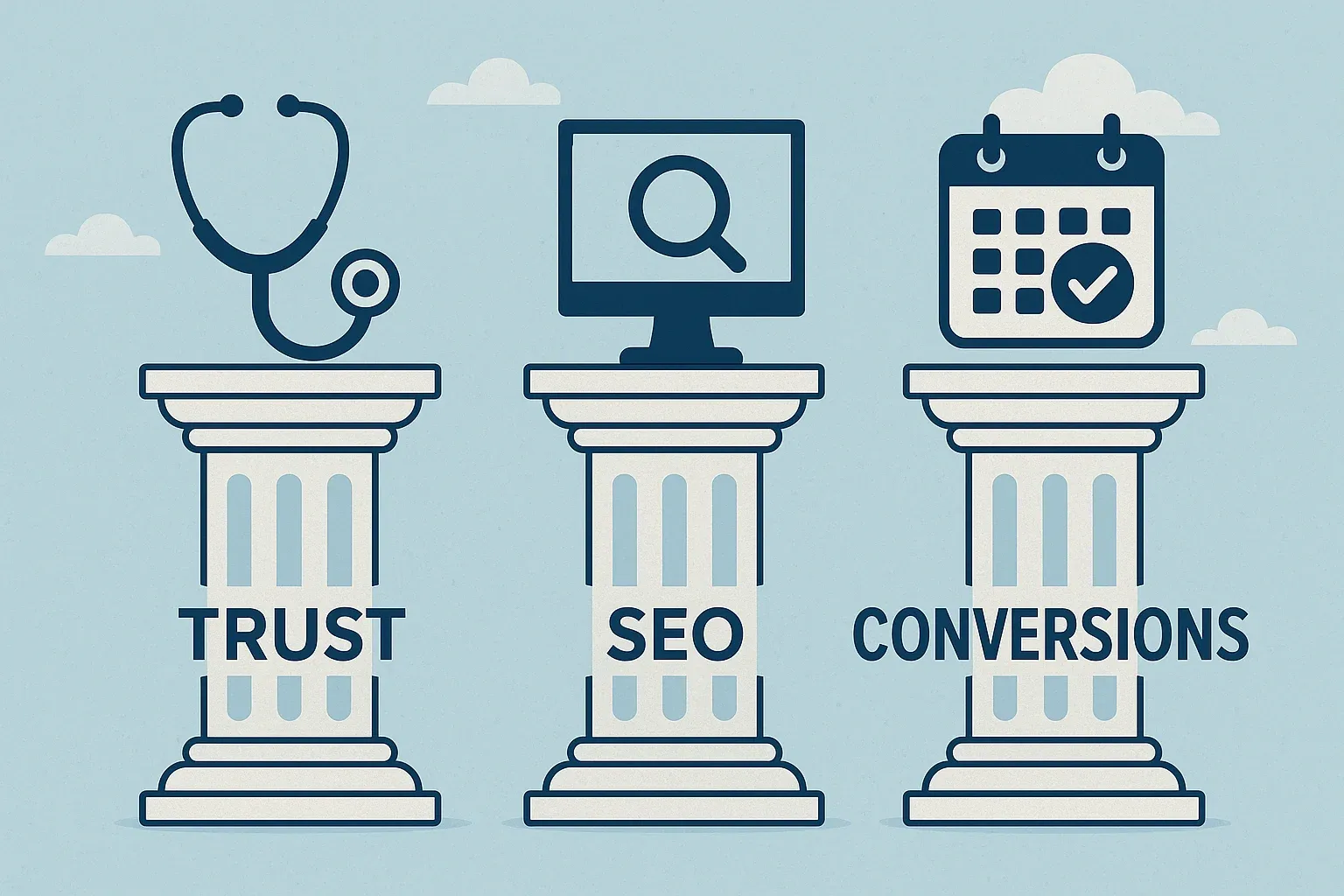
Build Local Trust – Patients in Gurgaon want to see outcomes from people like them (office workers, students, families).
SEO Boost – Google rewards original, detailed content. Case studies add depth and authority to your clinic's blog.
Conversion Power – Real results from Gurgaon-based cases can encourage new patients to book consultations.
Many Gurgaon clinics combine anonymized case studies with community outreach efforts, similar to the strategies outlined in health campaigns run with schools and gyms in Gurgaon, to build trust at a neighborhood level.
(Source: HubSpot Content Marketing Study, 2024)
Under the Digital Personal Data Protection (DPDP) Act, 2023, sharing identifiable health data requires:
- Explicit consent from the patient.
- Purpose-limited usage (e.g., only for blog publication).
- Right to withdraw consent anytime.
The Telemedicine Practice Guidelines (MoHFW/NMC) also require doctors to avoid exposing personal data during educational or public content.
Best Practice for Gurgaon Clinics:
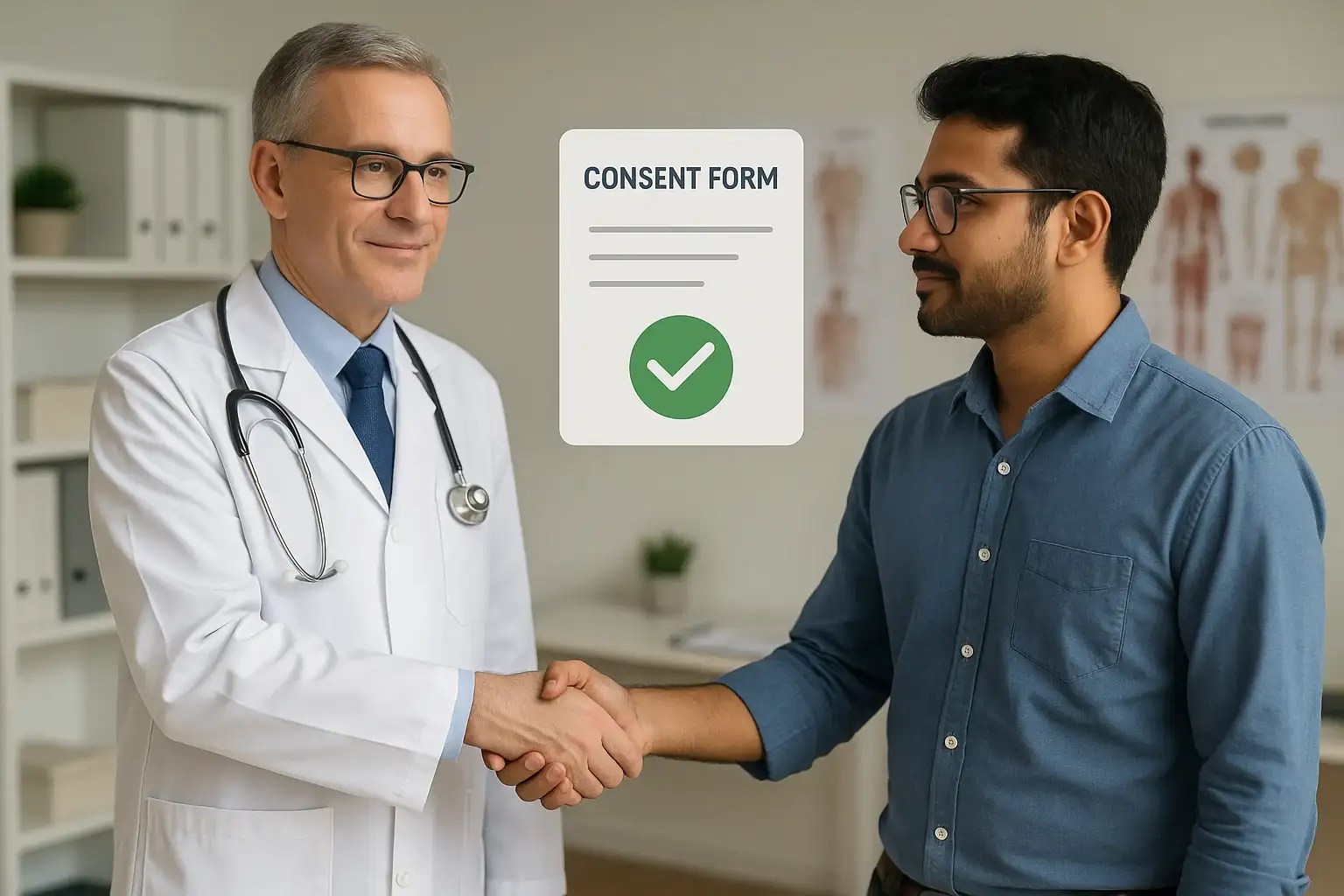
- Use a written consent form before using a case study.
- Inform the patient about where and how the story will be published.
- Offer opt-outs for details like photos or specific health data.
Privacy-conscious content also supports stronger local rankings when paired with Local 3-Pack optimization strategies for Gurgaon doctors, where trust signals and compliance play a growing role.
(Source: DPDP Act, 2023.)
Here are ways to anonymize patient data effectively while keeping the content engaging:
- Use pseudonyms (e.g., "Mr. A, a 35-year-old IT professional from Gurgaon's DLF Phase 3").
- Generalize details (replace exact workplace names with "corporate professional in Cyberhub").
- Avoid publishing identifiable visuals unless explicit image consent is given.
- Focus on treatment journey & outcomes instead of personal identifiers.
To optimize for Gurgaon searches, structure your blog posts like this:
Case Study Title – Include the health issue + Gurgaon reference.
Example: "How a Gurgaon IT Professional Overcame Back Pain with Physiotherapy in Sector 56"
Patient Background – Generalized but relatable (age group, occupation type).
Problem Statement – Highlight the issue (e.g., pollution-related asthma, PCOS, diabetes).
Treatment Approach – Outline the clinic's method.
Results/Outcomes – Measurable improvements.
Takeaway for Readers – Advice for people facing similar issues.
To maximize reach, many clinics support case study blogs with professional SEO services that help anonymized medical content rank for intent-driven Gurgaon searches.
(Source: SEMrush Blog Content Optimization Guide, 2024.)
Google Business Profile Posts – Share summaries with backlinks to full blogs.
WhatsApp Broadcasts – Popular in Gurgaon's RWAs and local communities.
Social Media (Facebook/Instagram) – Use visuals with Gurgaon-relevant hashtags (#GurgaonClinic, #HealthInGurugram).
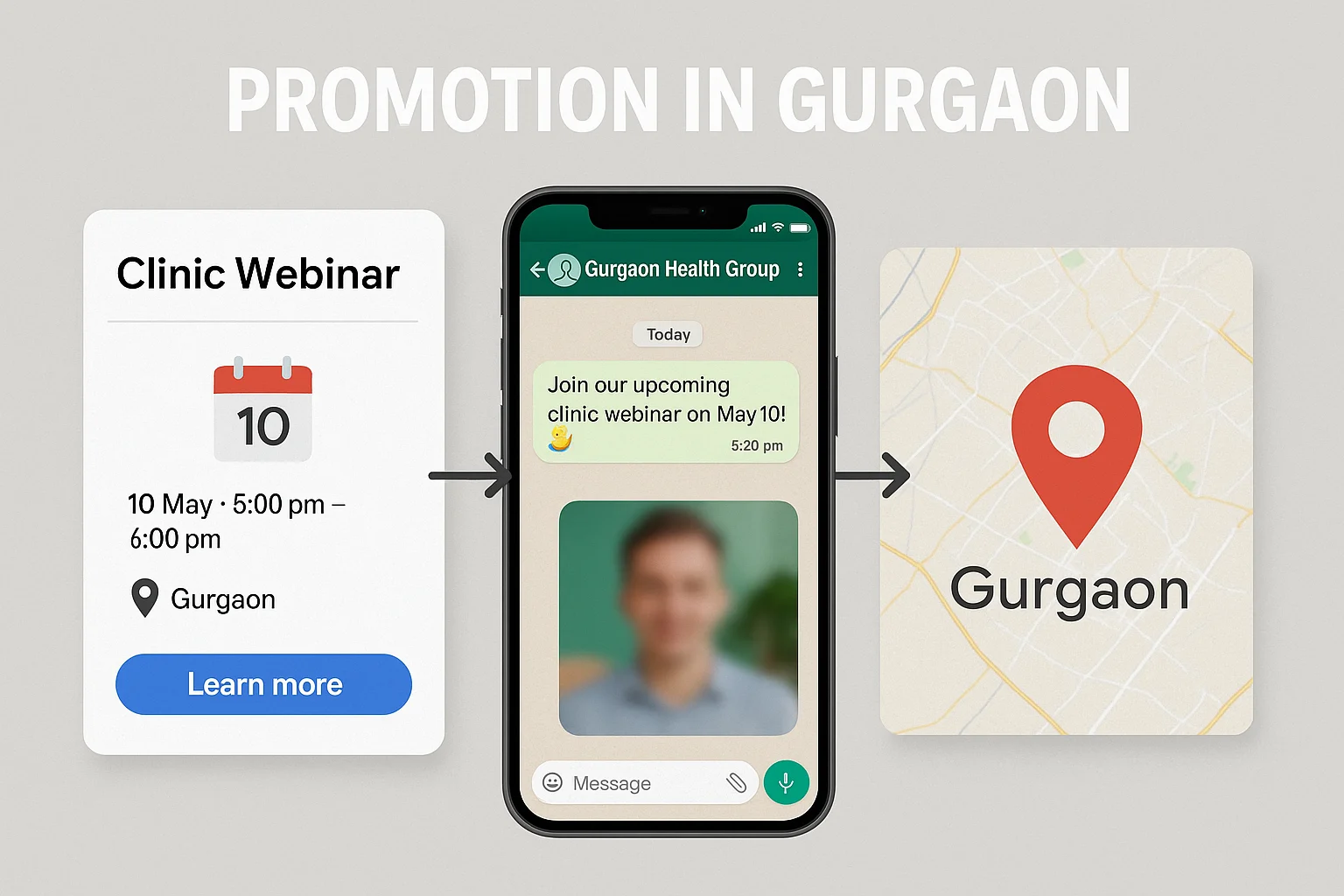
(Source: Google Business Profile )
Clinics serving Gurgaon neighborhoods often amplify these promotions using SEO services in Gurgaon, ensuring case studies surface for sector-level and specialty-specific searches.
Before publishing any case study:
- Did you obtain written consent from the patient?
- Did you anonymize personal identifiers (name, photo, exact address)?
- Did you disclose how the information will be used?
- Did you align with DPDP Act 2023 and Telemedicine Guidelines?
For Gurgaon clinics, patient case studies are a goldmine for SEO and trust-building—but only if privacy is respected. By anonymizing details, obtaining consent, and promoting smartly, your clinic can build authority, rank higher locally, and convert readers into patients.
How Qaushik Labs helps: We create privacy-compliant, SEO-optimized patient case study blogs for clinics in Gurgaon. From structuring content with local keywords to ensuring DPDP Act compliance, we help your clinic rank higher while protecting patient trust.
For clinics planning long-term growth, anonymized case studies work especially well when paired with structured patient engagement systems, such as those discussed in CRM tools used by Gurgaon clinics to manage patient relationships.
Ready to Transform Your Digital Presence?
Let Qaushik Labs help you implement growth-focused solutions for your business. From websites and SEO to ads and automation, we’re here to help you generate better leads and revenue.
Get Started TodayYes, but only with explicit patient consent and proper anonymization as per DPDP Act, 2023, and Telemedicine Practice Guidelines.
Names, photos, addresses, phone numbers, or exact workplace details unless explicit permission is given.
By focusing on the treatment journey, challenges overcome, and measurable outcomes—without exposing personal identifiers.
Non-compliance with DPDP Act may lead to penalties, reputational loss, and patient trust issues.
Yes. They provide original, location-relevant content that builds authority, ranks in Google, and attracts local patients.